
- FACIAL KITS
- KOREAN GLASS SKIN CARE
- HYDRA FACIAL PRODUCTS
- FACE SERUMS
- DTAN & ALKALINE
- SEPARATE FACIAL PRODUCTS
- BEST SELLING PRODUCTS
- SUN PROTECTION, DAY & NIGHT CARE
- CTM KITS
- DTAN & ALKALINE
- BODY POLISHING KIT
- FACE MASKS & PACKS
- FACE SHEET MASK
- FACE TONERS
- FACE WASH & CLEANSERS
- MOISTURIZER, LOTION & CREAM
- NANO BASED SHEET MASKS
- VITAMIN C RANGE
- AMPOULES
Skin Toner: What Is It, Why Do You Need It & How to Use It Correctly?

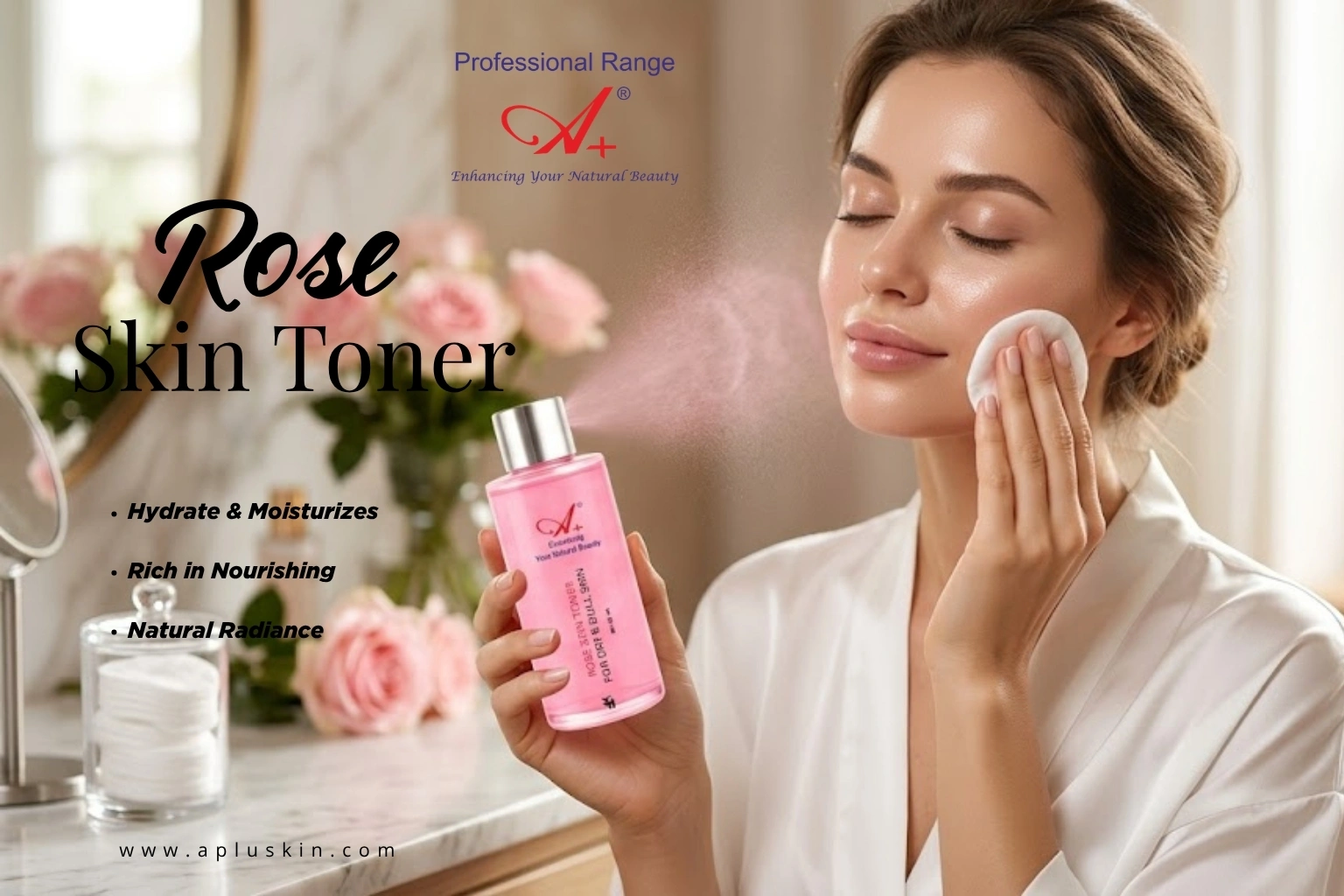
Skin Toner: A good skincare routine does not always need to include a long list of products. The important thing is understanding what each product does and using it correctly according to your skin's needs. One product that is often misunderstood is skin toner.
Some people think toner is only meant to remove leftover dirt after cleansing, while others believe it is necessary for every skin type. In reality, the role of a toner depends on its ingredients and formulation.
A well-formulated toner can help refresh the skin, provide lightweight hydration, support a balanced-feeling complexion and prepare the skin for the products that follow.
What Is a Skin Toner?
A skin toner is a lightweight skincare product that is generally applied after cleansing and before products such as serums, moisturizers, or other treatments.
Cleansing removes dirt, excess oil, makeup, and other impurities from the skin. A toner can then provide additional hydration and help make the skin feel refreshed and comfortable.
Modern toners are very different from the harsh, alcohol-heavy formulas that were traditionally used to make the skin feel extremely tight. Today, toners can contain ingredients such as botanical extracts, aloe vera, humectants, and other skin-supporting ingredients depending on their purpose.
The right toner should complement your skincare routine rather than leave your skin feeling dry, tight, or irritated.
What Does a Toner Do for Your Skin?
The benefits of a toner depend largely on its formulation. A hydrating and soothing toner may offer several useful benefits.
1. Helps Refresh the Skin
After cleansing, the skin can sometimes feel dry or tired. A lightweight toner can provide a refreshing layer of hydration and leave the skin feeling comfortable.
2. Supports Skin Hydration
Hydration is important for maintaining soft and healthy-looking skin. Ingredients such as aloe vera and botanical extracts can help support the skin's moisture needs.
For dry skin, a hydrating toner can be particularly useful as part of a consistent routine.
3. Prepares Skin for the Next Steps
Applying skincare in the right order can make your routine easier and more effective. Dermatologists generally recommend cleansing first and then applying appropriate treatment products, followed by moisturizer and sunscreen.
A toner can fit between cleansing and the rest of your skincare routine, helping the skin feel fresh and ready for serum or moisturizer.
4. Can Help Improve the Look of Dull Skin
Pollution, environmental exposure, dehydration and an inconsistent skincare routine can make skin appear tired and dull.
A refreshing toner can add lightweight hydration and help the skin look fresher and more radiant.
5. Supports Softer-Looking Skin
When skin lacks moisture, it can feel rough or tight. Maintaining hydration can help the skin feel softer and smoother.
However, toner should not be considered a replacement for a moisturizer. Both products can have different roles in a skincare routine.
Do You Really Need a Toner?
Not everyone necessarily needs a toner.
A basic skincare routine can be quite simple:
Cleanser → Treatment/Serum → Moisturizer → Sunscreen
A toner can be added when you want additional hydration, freshness or a specific benefit based on its ingredients.
The important point is to avoid adding products simply because they are trending. Dermatologists also recommend keeping skincare routines practical and avoiding unnecessary products that may increase the possibility of irritation.
Which Skin Type Can Use a Toner?
Different skin types have different needs, so choosing the right toner matters.
Dry Skin
Look for hydrating and moisturizing-supportive ingredients. Avoid formulas that leave your skin feeling tight after application.
Oily Skin
A lightweight toner can help refresh oily skin. If you are using an exfoliating toner containing acids, introduce it carefully because excessive exfoliation can cause irritation.
Combination Skin
A lightweight, balancing or hydrating toner can work well, especially when different areas of the face have different needs.
Sensitive Skin
Be more careful with ingredients. Strong fragrances, alcohol-heavy formulas and aggressive exfoliating ingredients may irritate sensitive skin. Patch testing a new skincare product is a sensible precaution.
Dull or Dehydrated Skin
A hydrating toner can be a useful addition when the main concern is skin that feels dry, tired or lacks a fresh appearance.
How to Use a Face Toner Correctly
Using toner is simple, but technique still matters.
Step 1: Cleanse your face
Start with a gentle cleanser to remove dirt, oil, sunscreen, and makeup.
Step 2: Pat the skin dry
Do not aggressively rub your face with a towel.
Step 3: Apply toner
Take an appropriate amount of toner on clean palms or a cotton pad, depending on the product's instructions.
Step 4: Gently apply
Spread it evenly over your face and neck. Avoid the immediate eye area.
Step 5: Follow with your skincare
Once the toner has settled, continue with your serum, moisturizer and, during the daytime, sunscreen.
Remember that more product does not necessarily mean better results. If a product causes persistent burning, stinging, redness or irritation, discontinue it and consider consulting a dermatologist.
A+ Rose Skin Toner: A Refreshing Step for Your Daily Routine
For people who want a simple, hydrating, and refreshing toner, A+ Rose Skin Toner can be incorporated into a regular skincare routine.
The formulation is positioned around Rose Extract and botanical ingredients, with the aim of refreshing the skin, supporting hydration, and helping improve the appearance of dull, tired-looking skin. A+ skincare product information also highlights Rose Toner as a step that can prepare the skin before serum and moisturizer application.
Why Choose A+ Rose Skin Toner?
The toner can be used as a simple step between cleansing and the rest of your skincare routine.
It helps:
- Refresh tired-looking skin
- Provide lightweight hydration
- Support softer, smoother-looking skin
- Maintain a comfortable moisture balance
- Prepare the skin for serum and moisturizer
- Give the complexion a fresh, naturally radiant appearance
The product is available in a 50 ml format, making it convenient to include in a regular skincare routine.
Rose Extract in Skincare
Rose extract is commonly used in skincare formulations for its refreshing and skin-conditioning properties. It can be particularly appealing in routines focused on hydration, softness, and a fresh-looking complexion.
However, an important skincare principle is that an ingredient name alone does not determine how effective a product will be. The overall formulation, concentration, skin type, and consistency of use all matter.
This is why choosing a toner based on your actual skin needs is more useful than choosing one simply because it contains a popular ingredient.
Toner Mistakes You Should Avoid
Using Too Much Toner
You do not need to soak your face in toner. A reasonable amount is enough to cover the skin comfortably.
Choosing a Toner That Is Too Harsh
If your toner consistently leaves your skin feeling extremely tight, dry or irritated, it may not be suitable for your skin.
Overusing Exfoliating Toners
Toners containing exfoliating acids can be useful for specific concerns, but over-exfoliation may damage the skin barrier and cause redness or irritation. The American Academy of Dermatology recommends choosing exfoliation according to your skin type and avoiding excessive exfoliation.
Skipping Moisturizer
Toner is not a substitute for moisturizer. If your skin needs additional moisture, follow your toner with an appropriate moisturizer.
Forgetting Sunscreen
A toner cannot protect your skin from UV exposure. During the day, sunscreen remains an important part of a skincare routine.
Where Does Toner Fit in a Skincare Routine?
A simple routine can look like this:
Morning
Cleanser → Rose Skin Toner → Serum → Moisturizer → Sunscreen
Night
Cleanser → Rose Skin Toner → Serum/Treatment → Moisturizer
You do not need to use numerous products to maintain healthy-looking skin. A consistent routine using products suited to your skin type is generally more useful than constantly changing products.
Frequently Asked Questions About Skin Toner
Is toner necessary for everyone?
No. Toner is an optional step that can provide additional hydration, refreshing or targeted benefits depending on its formulation.
Can I use toner every day?
Many hydrating toners can be used daily, but always follow the product's directions. If a toner contains exfoliating or active ingredients, frequency may need to be adjusted.
Should toner be used before or after moisturizer?
Toner is generally applied after cleansing and before serum or moisturizer.
Can toner replace moisturizer?
No. Toner and moisturizer serve different purposes. A hydrating toner can add lightweight hydration, while moisturizer helps support and maintain the skin's moisture balance.
Can dry skin use toner?
Yes. Dry skin can benefit from a gentle, hydrating toner, particularly one that does not leave the skin feeling tight or stripped.
Can I use A+ Rose Skin Toner in my daily routine?
A+ Rose Skin Toner can be incorporated after cleansing and before serum or moisturizer as a refreshing and hydrating step.
Final Thoughts
A skin toner is not simply an extra product that everyone must use. Its value depends on what your skin needs and what the toner contains.
A good toner can provide refreshing hydration, support softer-looking skin, and make your skincare routine feel more comfortable and complete. The key is to choose a formula suited to your skin type and avoid products that cause unnecessary dryness or irritation.
If your goal is a fresh, hydrated and naturally radiant-looking complexion, adding a gentle rose-based toner such as A+ Rose Skin Toner can be a practical step between cleansing and the rest of your skincare routine.
Healthy-looking skin starts with understanding what your skin actually needs—not simply following every skincare trend.