
- FACIAL KITS
- KOREAN GLASS SKIN CARE
- HYDRA FACIAL PRODUCTS
- FACE SERUMS
- DTAN & ALKALINE
- SEPARATE FACIAL PRODUCTS
- BEST SELLING PRODUCTS
- SUN PROTECTION, DAY & NIGHT CARE
- CTM KITS
- DTAN & ALKALINE
- BODY POLISHING KIT
- FACE MASKS & PACKS
- FACE SHEET MASK
- FACE TONERS
- FACE WASH & CLEANSERS
- MOISTURIZER, LOTION & CREAM
- NANO BASED SHEET MASKS
- VITAMIN C RANGE
- AMPOULES
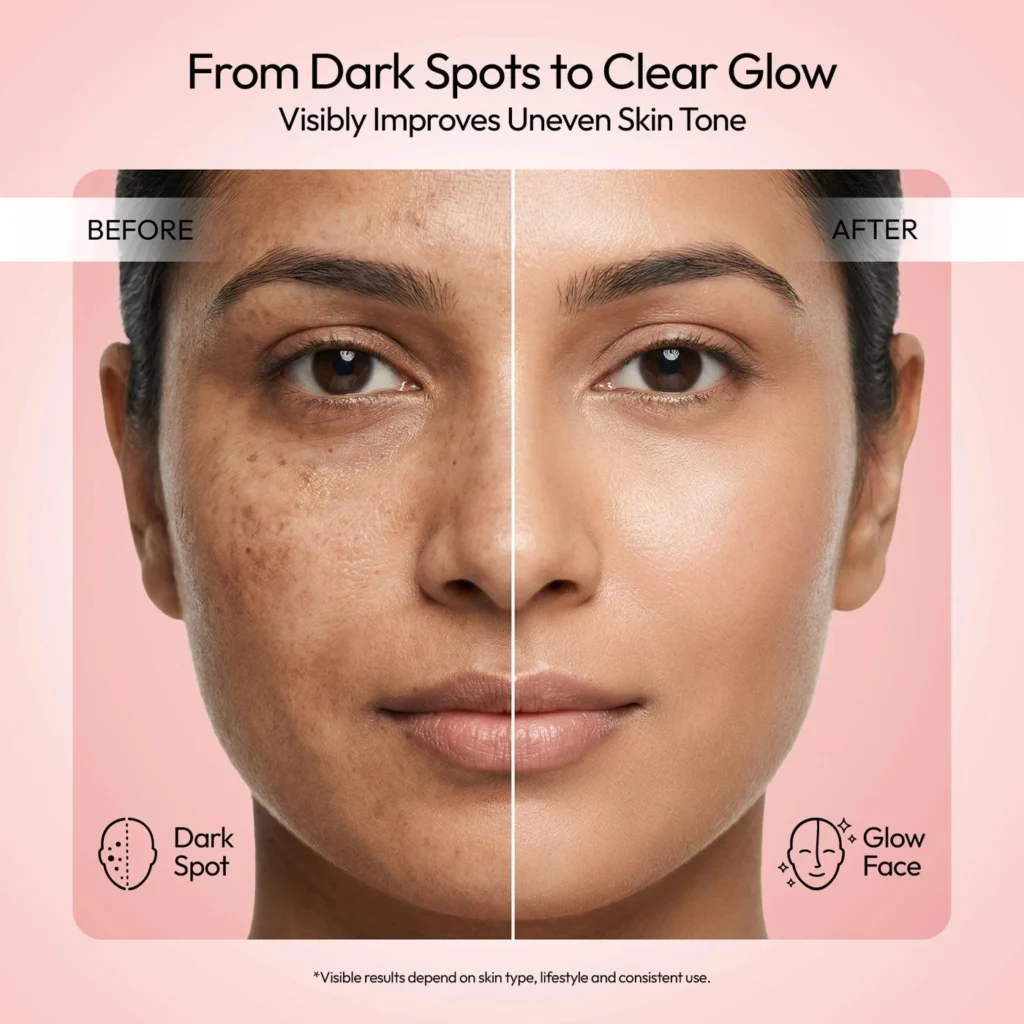
Pigmentation is a common skin concern in which certain areas of the skin appear darker or more uneven than the surrounding skin. It can appear as dark spots, patches, post-acne marks, tanning, or an overall uneven complexion.
While pigmentation is usually not harmful, it can make the skin tone look uneven and may take time to improve. A consistent skincare routine, sun protection, and suitable brightening ingredients can help support a more even-looking complexion.
Understanding Pigmented Skin
Pigmentation is linked to the production and distribution of melanin, the natural pigment responsible for giving skin its colour. When melanin production increases in certain areas, those areas can appear darker.
Pigmentation can occur on different parts of the face, including:
- Forehead
- Cheeks
- Around the mouth
- Nose
- Chin
- Areas affected by acne marks
The appearance and intensity of pigmentation can vary from person to person depending on skin type, sun exposure, hormones, acne and other factors.
Common Types of Pigmentation
Pigmentation is not limited to one type. Some of the commonly seen forms include:
1. Dark Spots
Small dark spots can develop after acne, skin irritation, or prolonged exposure to the sun. These are often referred to as post-inflammatory hyperpigmentation.
2. Sun-Induced Pigmentation
Frequent exposure to UV radiation can stimulate melanin production and contribute to tanning, dark spots, and an uneven-looking complexion.
3. Post-Acne Marks
After an acne breakout heals, a darker mark may remain in the affected area. These marks can gradually fade but may take several weeks or months.
4. Uneven Skin Tone
Sometimes pigmentation is not visible as individual spots but appears as an overall uneven complexion, particularly after repeated sun exposure or inflammation.
Common Causes of Pigmented Skin
Several factors can contribute to pigmentation.
Sun Exposure
UV exposure is one of the major factors associated with increased melanin production. Without adequate sun protection, existing dark spots may also become more noticeable.
Acne and Skin Inflammation
Breakouts, irritation and inflammation can leave behind darker marks even after the original skin concern has improved.
Hormonal Changes
Hormonal fluctuations can contribute to certain types of facial pigmentation. This is one reason pigmentation may appear or become more noticeable during particular stages of life.
Skin Irritation
Over-exfoliation, harsh products or an unsuitable skincare routine can irritate the skin. Repeated irritation may contribute to post-inflammatory pigmentation.
Age and Environmental Factors
As skin changes over time, accumulated sun exposure and environmental stress can contribute to the appearance of dark spots and uneven tone.
Daily Skincare Routine for Pigmented Skin
A simple and consistent routine is generally more useful than using too many active ingredients at once.
Morning Routine
Step 1: Gentle Cleansing
Start with a gentle cleanser to remove excess oil, sweat, and impurities without unnecessarily stripping the skin.
Step 2: Vitamin C Serum
Vitamin C is a popular skincare ingredient used in routines targeting dullness, uneven-looking skin tone, and the appearance of dark spots.
A Vitamin C serum can be incorporated after cleansing and before moisturiser and sunscreen, depending on the product instructions.
Step 3: Moisturiser
Keeping the skin hydrated helps maintain a comfortable and balanced skin barrier. Choose a moisturiser according to your skin type.
Step 4: Sunscreen
Sunscreen is one of the most important steps when dealing with pigmentation. UV exposure can contribute to increased pigmentation and make dark spots harder to manage.
Use a broad-spectrum sunscreen during the daytime and reapply as needed, especially when spending extended time outdoors.
Evening Routine for Uneven Skin Tone
Your night routine can focus on cleansing, hydration, and supporting the skin barrier.
Cleanser → Treatment Serum → Moisturiser
Avoid introducing several strong active ingredients simultaneously. If your skin becomes dry, irritated, or uncomfortable, simplify the routine and focus on gentle cleansing, moisturising, and sun protection.
Vitamin C for Pigmented and Uneven-Looking Skin
Vitamin C is widely used in skincare because of its antioxidant properties. It can help protect the skin from oxidative stress and is commonly included in routines designed to improve the appearance of dullness and uneven skin tone.
However, consistency is important. Skincare products generally require regular use over time, and results can vary depending on the cause and depth of pigmentation.
For people looking to add Vitamin C to their routine, A+ Professional Range Vitamin C Precious Flawless Face Serum is formulated as a facial serum and is labelled as suitable for all skin types. The product packaging also states that it is dermatologically tested and formulated without parabens, silicones, and mineral oil.
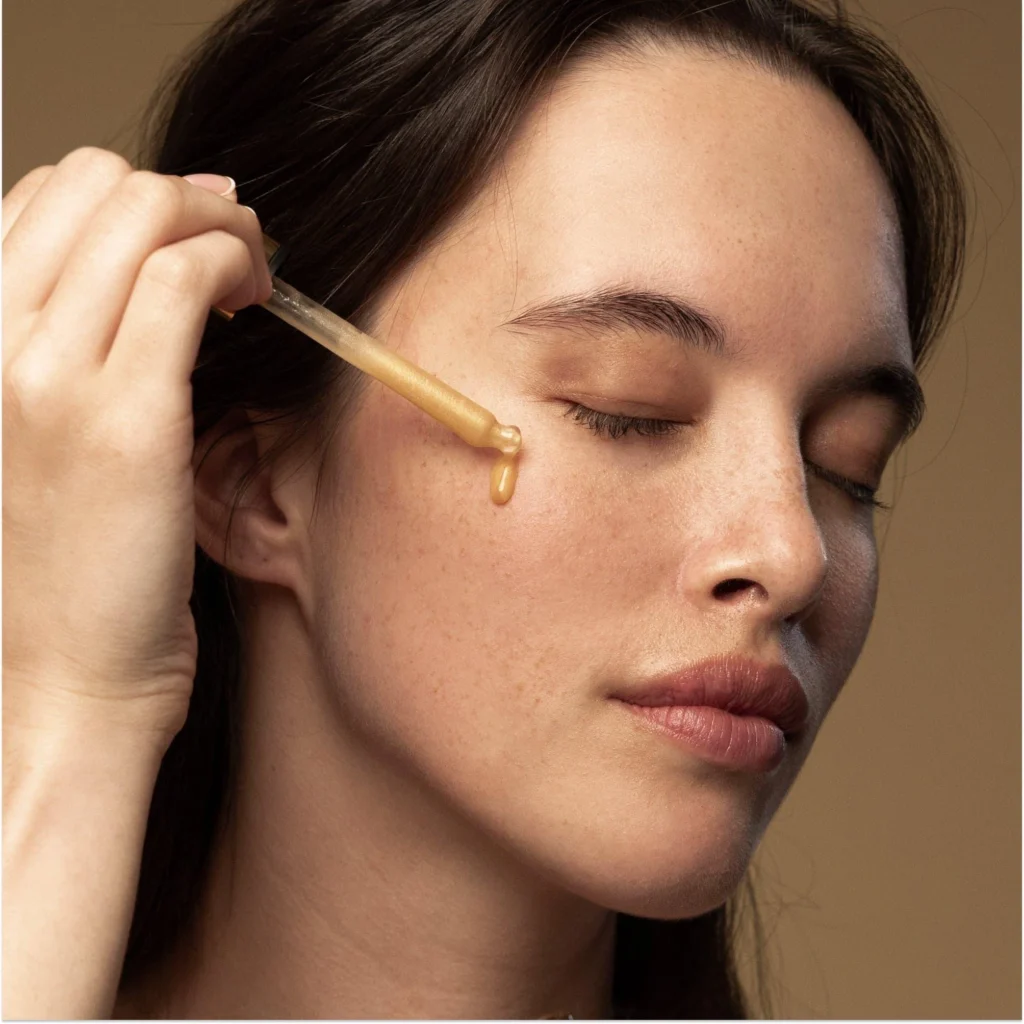
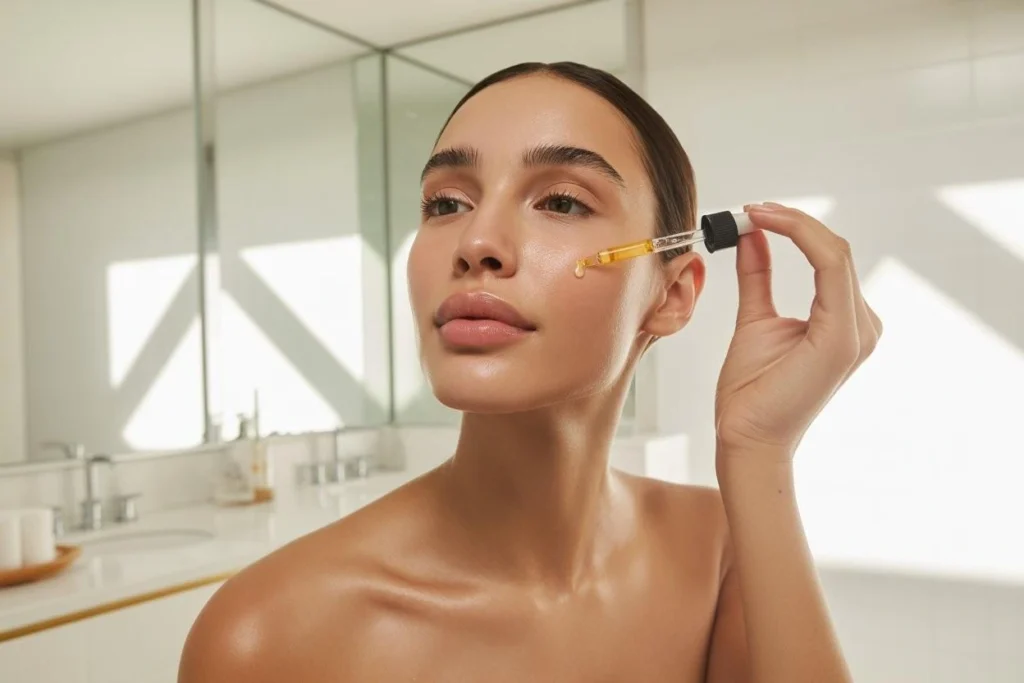
The serum can be included as part of a regular skincare routine focused on brightening, improving the appearance of uneven skin tone, and maintaining a fresh-looking complexion.
Tip: When introducing any new skincare product, patch testing is a sensible step, particularly if your skin is sensitive or prone to irritation.
Ingredients That Can Support a Pigmentation-Focused Routine
Different skincare ingredients work in different ways. Some commonly used ingredients include:
Vitamin C
An antioxidant commonly used to support brighter-looking skin and improve the appearance of uneven skin tone.
Niacinamide
Often used to support the skin barrier and improve the appearance of uneven tone and blemishes.
Alpha Arbutin
A brightening ingredient commonly incorporated into products targeting the appearance of dark spots.
Azelaic Acid
Used in skincare routines for concerns such as blemishes and uneven pigmentation.
Sunscreen Filters
UV filters help protect skin from ultraviolet radiation, making daily sunscreen an important part of a pigmentation-care routine.
The key is not simply choosing multiple active ingredients but creating a routine that your skin can tolerate consistently.
Mistakes to Avoid When Managing Pigmentation
Skipping Sunscreen
Using a brightening serum while regularly leaving the skin unprotected from the sun can work against your skincare goals.
Over-Exfoliating
Scrubbing or exfoliating too frequently can irritate the skin and potentially worsen the appearance of post-inflammatory marks.
Using Too Many Actives
Combining several powerful ingredients without considering compatibility or skin tolerance can irritate.
Expecting Overnight Results
Pigmentation generally does not disappear overnight. The time required for improvement depends on its cause, depth, and individual skin characteristics.
Picking Acne
Picking or squeezing pimples can increase inflammation and may leave darker post-acne marks.
How to Prevent Pigmentation From Becoming More Noticeable
A pigmentation-friendly routine should focus on prevention as much as correction.
- Apply sunscreen every morning.
- Reapply sunscreen when required.
- Avoid unnecessary sun exposure.
- Keep the skin moisturised.
- Avoid aggressive scrubbing.
- Do not pick or squeeze active acne.
- Introduce new active ingredients gradually.
- Maintain a consistent skincare routine.
- Pay attention to products that cause persistent irritation.
When Professional Advice May Be Helpful
Not every dark patch is caused by the same factor. If pigmentation develops suddenly, changes noticeably, becomes widespread, or does not improve despite a consistent skincare routine, consulting a dermatologist can help determine the underlying cause.
A dermatologist may assess the pigmentation and recommend appropriate treatment based on your skin condition and medical history.
Build a Consistent Routine, Not a Complicated One
Managing pigmented skin is usually a long-term skincare process rather than a quick fix. A simple routine built around gentle cleansing, appropriate treatment products, moisturisation, and daily sunscreen can provide a better foundation for maintaining healthy-looking skin.
Adding a Vitamin C serum can also complement a routine focused on dullness and uneven-looking skin tone. A+ Professional Range Vitamin C Precious Flawless Face Serum can be considered as one option for incorporating Vitamin C into your regular skincare routine.
The goal should not be to change your natural complexion, but to support healthy, hydrated, and more even-looking skin.
FAQs About Pigmented Skin
Why does pigmentation become darker after sun exposure?
UV radiation can stimulate melanin production, which may make existing pigmentation and dark spots appear more noticeable.
Can acne leave permanent dark marks?
Acne can leave post-inflammatory dark marks. Many gradually fade with time, although the duration can vary depending on the individual and the severity of inflammation.
How often should sunscreen be used for pigmentation-prone skin?
Sunscreen should be used every morning and reapplied when needed, particularly during prolonged outdoor exposure.
Can Vitamin C be included in a daily skincare routine?
Yes, Vitamin C can be incorporated into a regular skincare routine when the product is suitable for your skin and used according to its directions.
Does pigmentation disappear quickly?
Pigmentation often takes time to improve. Consistency with skincare and sun protection is important, and deeper or persistent pigmentation may require professional assessment.
Can sensitive skin use brightening products?
Sensitive skin can react to certain active ingredients. Introducing products gradually and patch testing before regular use can help reduce the possibility of irritation.
Should exfoliation be used for dark spots?
Gentle exfoliation may be suitable for some skin types, but excessive exfoliation can irritate. The frequency should depend on your skin's tolerance and the product being used.

