
- FACIAL KITS
- KOREAN GLASS SKIN CARE
- HYDRA FACIAL PRODUCTS
- FACE SERUMS
- DTAN & ALKALINE
- SEPARATE FACIAL PRODUCTS
- BEST SELLING PRODUCTS
- SUN PROTECTION, DAY & NIGHT CARE
- CTM KITS
- DTAN & ALKALINE
- BODY POLISHING KIT
- FACE MASKS & PACKS
- FACE SHEET MASK
- FACE TONERS
- FACE WASH & CLEANSERS
- MOISTURIZER, LOTION & CREAM
- NANO BASED SHEET MASKS
- VITAMIN C RANGE
- AMPOULES
SPF 30 Sunblock: Why Your Skin Still Gets Tanned Even After Using Sunscreen?

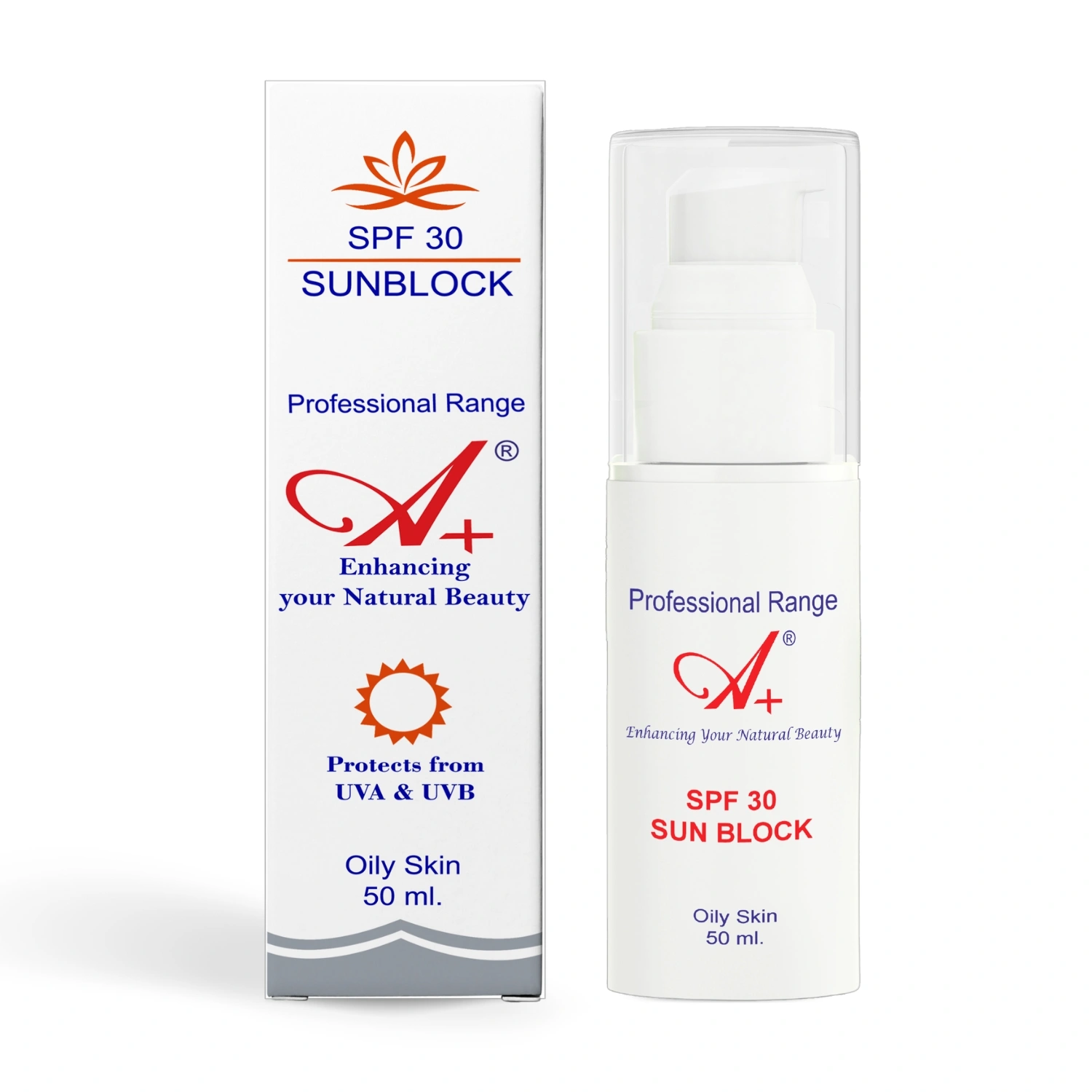
Have you ever looked in the mirror after a day outside and wondered, "Why does my face still look darker even though I used sunscreen?"
You're not the only one.
Many people believe that applying sunscreen once in the morning provides all-day protection. However, using too little sunscreen, skipping reapplication, choosing the wrong formula, or applying it incorrectly can leave your skin exposed to harmful UV rays. As a result, tanning, sunburn, uneven skin tone, dark spots, and signs of premature aging can still occur.
Using an SPF 30 Sunblock correctly is one of the simplest ways to help protect your skin from both UVA and UVB rays. An SPF 30 Sunblock filters about 97% of UVB rays when applied generously and reapplied every two hours during sun exposure. It can also help reduce tanning, protect your skin barrier, and maintain a brighter, healthier-looking complexion.
In this guide, you'll learn how an SPF 30 Sunblock works, who should use it, common sunscreen mistakes to avoid, and how to get the best protection for your skin every day.
Why Your Skin Still Gets Tanned Even After Sunscreen?
If you're using an SPF 30 Sunblock but still notice tanning, the sunscreen may not be the only issue. How you apply it, how often you reapply it, and your daily sun exposure all affect its performance. Understanding these common mistakes can help you get better UV protection and reduce tanning, sunburn, and uneven skin tone.
You don't apply enough sunscreen.
Most people use much less sunscreen than recommended, which lowers the level of protection they receive. Adults generally need about a teaspoon for the face and neck and around a shot glass amount for the entire body. Applying too little SPF 30 Sunblock leaves areas of your skin exposed to harmful UV rays.
You forget to reapply SPF 30 Sunblock every 2–3 hours.
No sunscreen lasts all day. Sunlight, sweat, rubbing your face, and natural skin oils gradually reduce its effectiveness. Reapplying your SPF 30 Sunblock every 2–3 hours, especially during prolonged outdoor activities, helps maintain consistent protection against UVA and UVB rays.
Your sunscreen isn't broad-spectrum.
Not all sunscreens protect against both UVA and UVB rays. A broad-spectrum SPF 30 Sunblock helps defend your skin from UVB rays that cause sunburn and UVA rays that contribute to tanning, dark spots, and premature skin aging. Always check the label before buying.
Sweat and water remove your protection.
Sweating, swimming, or even wiping your face with a towel can remove sunscreen from your skin. If you're outdoors, exercising, or spending time near water, choose a water-resistant SPF 30 Sunblock and reapply it after swimming or heavy sweating to maintain effective protection.
You skip sunscreen on cloudy days.
Clouds don't block all ultraviolet rays. A large percentage of UV radiation can still reach your skin even when the weather looks overcast. Wearing SPF 30 Sunblock every day, regardless of the weather, helps protect your skin from year-round UV exposure.
You stay outdoors during peak sunlight.
The sun's UV rays are strongest between approximately 10 a.m. and 4 p.m. Spending long hours outdoors during this period increases your risk of tanning and sun damage, even while wearing sunscreen. Along with SPF 30 Sunblock, wear protective clothing, sunglasses, and seek shade whenever possible.
How Can SPF 30 Sunblock Protect Your Skin Daily?
A good SPF 30 Sunblock is more than just a sunscreen—it's an essential part of your daily skincare routine. Regular use helps protect your skin from harmful UV rays, reduces tanning, and supports healthier-looking skin over time. When you choose a broad-spectrum formula that suits your skin type, you can enjoy lightweight protection without feeling greasy. The A+ SPF 30 Sunblock is specially formulated for oily and combination skin, making it comfortable for everyday wear while providing effective sun protection.
Protects Against UVA & UVB Rays
The A+ SPF 30 Sunblock offers broad-spectrum protection against both UVA and UVB rays. UVB rays are responsible for sunburn, while UVA rays penetrate deeper into the skin and contribute to tanning, dark spots, and premature aging. Daily use helps protect your skin from these harmful effects when applied generously and reapplied every 2–3 hours during sun exposure.
Helps Prevent Tanning
Excessive sun exposure increases melanin production, which causes the skin to tan. Applying A+ SPF 30 Sunblock before going outdoors helps reduce UV damage that can lead to tanning and uneven skin tone. For the best protection, apply it 15–20 minutes before sun exposure and reapply every 2–3 hours, especially if you're outdoors for extended periods.
Helps Reduce Premature Aging
Long-term exposure to ultraviolet rays can accelerate the appearance of fine lines, wrinkles, and uneven pigmentation. Using a broad-spectrum SPF 30 Sunblock every day helps minimize photoaging by protecting the skin from daily UV damage. Consistent sun protection is one of the simplest ways to maintain healthier-looking skin over time.
Keeps Skin Hydrated
Sun exposure can leave skin feeling dry and uncomfortable. The A+ SPF 30 Sunblock contains Aloe Vera, Calendula, and Cocoa Butter, ingredients known for their moisturizing and skin-conditioning properties. These ingredients help keep the skin feeling soft, nourished, and comfortable while providing daily sun protection.
Works Well Under Makeup
A heavy sunscreen can affect how makeup looks and feels. The A+ SPF 30 Sunblock has a lightweight, non-greasy finish that absorbs comfortably into the skin, making it a suitable base before applying foundation or other makeup products. It provides everyday sun protection without leaving a heavy or sticky residue.
Suitable for Oily & Combination Skin
People with oily or combination skin often avoid sunscreen because they're concerned about excess shine. The A+ SPF 30 Sunblock is specifically designed for these skin types with a lightweight, non-greasy formula that feels comfortable throughout the day. It helps protect your skin without adding unnecessary heaviness, making daily sunscreen use easier and more enjoyable.
Signs You Need an SPF 30 Sunblock Every Day
Your skin is exposed to ultraviolet (UV) rays whenever you step outside, even on cloudy days. If you notice changes such as frequent tanning, uneven skin tone, or early signs of aging, your skin may not be getting enough daily sun protection. Using an SPF 30 Sunblock consistently can help protect your skin from ongoing UV damage and support a healthier-looking complexion.
Your Skin Gets Darker Quickly
If your face or exposed skin becomes noticeably darker after spending a short time outdoors, it may be a sign that UV rays are triggering excess melanin production. Applying an SPF 30 Sunblock every day helps reduce UV exposure that contributes to tanning and sun damage.
You Notice Uneven Skin Tone
Patchy or uneven skin tone can develop when certain areas of your skin receive more sun exposure than others. Daily use of a broad-spectrum SPF 30 Sunblock helps protect your skin more evenly and supports a brighter, more balanced complexion over time.
Dark Spots Increase
Sun exposure can make existing dark spots more noticeable and may contribute to the appearance of new pigmentation. Wearing an SPF 30 Sunblock every day helps protect your skin from UV rays that can worsen discoloration and make dark spots harder to fade.
Your Skin Feels Dry After Sun Exposure
Spending time in the sun can reduce your skin's moisture, leaving it feeling dry, rough, or tight. The A+ SPF 30 Sunblock contains Aloe Vera, Calendula, and Cocoa Butter, which help keep the skin feeling hydrated and comfortable while providing broad-spectrum sun protection.
Fine Lines Appear Earlier
Premature fine lines and wrinkles are often linked to repeated UV exposure. UVA rays penetrate deep into the skin and gradually break down collagen and elastin, leading to visible signs of aging. Applying an SPF 30 Sunblock every morning and reapplying every 2–3 hours during prolonged sun exposure helps support healthier-looking skin over time.
How to Apply SPF 30 Sunblock Correctly
Applying an SPF 30 Sunblock the right way is just as important as choosing the right sunscreen. Proper application helps ensure even coverage, better UV protection, and reduces the risk of tanning, sunburn, and premature skin aging. Follow these simple steps to get the most out of your daily sun protection.
Step 1: Cleanse Your Skin
Start with a clean face by washing away dirt, excess oil, and impurities. Applying SPF 30 Sunblock to clean skin helps it spread evenly and form a more effective protective layer.
Step 2: Apply Generously on Your Face and Neck
Take a sufficient amount of SPF 30 Sunblock and apply it evenly over your face, neck, ears, and any other exposed skin. Don't forget commonly missed areas like the hairline, jawline, and the back of your neck.
Step 3: Wait 5–10 Minutes Before Stepping Outside
Allow your SPF 30 Sunblock to absorb into your skin before sun exposure. Waiting 5–10 minutes gives the sunscreen time to form an even protective layer, helping it perform more effectively once you're outdoors.
Step 4: Reapply Every 2–3 Hours
Sunscreen gradually wears off due to sweat, natural skin oils, and daily activities. Reapply your SPF 30 Sunblock every 2–3 hours, and immediately after swimming, heavy sweating, or towel drying, to maintain continuous broad-spectrum protection.
Step 5: Use It Every Day—Even Indoors if Exposed to Daylight
Ultraviolet rays can reach your skin through windows and during short periods of outdoor exposure. Make SPF 30 Sunblock the final step of your morning skincare routine every day, even if you're indoors near windows or only stepping outside briefly.
Common Sun Protection Mistakes
Even the best SPF 30 sunscreen cannot provide effective protection if it's used incorrectly. Small mistakes in application or daily habits can reduce its effectiveness, increasing the risk of tanning, sunburn, pigmentation, and premature aging. Avoid these common sunscreen mistakes to get the most from your daily sun protection.
Applying Too Little
Using only a small amount of SPF 30 Sunblock significantly reduces the level of protection your skin receives. Apply a generous, even layer to all exposed areas to help achieve the protection stated on the product label.
Skipping Your Neck and Ears
Many people focus only on their face and forget areas like the neck, ears, hairline, and back of the neck. These exposed areas are just as vulnerable to UV damage and should always be covered with SPF 30 Sunblock.
Applying Only Once a Day
Applying sunscreen only once in the morning is rarely enough if you're spending time outdoors. To maintain broad-spectrum protection, reapply your SPF 30 Sunblock every 2–3 hours, especially during prolonged sun exposure.
Using Expired Sunscreen
Sunscreen becomes less effective after its expiration date. Always check the packaging before use and replace expired SPF 30 Sunblock to ensure you're getting reliable protection against harmful UVA and UVB rays.
Believing SPF Alone Protects All Day
An SPF number does not mean all-day protection. Sun exposure, sweat, water, and friction gradually reduce sunscreen's effectiveness. Combine your SPF 30 Sunblock with protective clothing, sunglasses, and shade whenever possible for better overall sun protection.
Ignoring Reapplication After Sweating
Heavy sweating, swimming, or wiping your face with a towel can remove sunscreen from your skin. Reapply your SPF 30 Sunblock immediately after these activities—even if it is water-resistant—to help maintain consistent UV protection throughout the day.
Who Should Use SPF 30 Sunblock?
Daily sun protection isn't just for beach days or vacations. Everyone who is exposed to daylight can benefit from using an SPF 30 Sunblock. Whether you spend most of your time indoors or outdoors, regular use helps protect your skin from harmful UVA and UVB rays that can cause tanning, pigmentation, sunburn, and premature aging. The A+ SPF 30 Sunblock, with its lightweight, non-greasy formula, is especially suitable for oily and combination skin, making it comfortable for everyday use.
College Students
Students often travel between classrooms, campuses, and outdoor activities, increasing their exposure to UV rays. Applying SPF 30 Sunblock every morning helps protect the skin from tanning and sun damage during daily commutes and outdoor events.
Office Professionals
Even if you work indoors, you may still be exposed to sunlight while commuting or sitting near windows. Using SPF 30 Sunblock daily helps protect your skin from incidental UV exposure and supports a more even-looking complexion over time.
Outdoor Workers
People who spend several hours outside, such as delivery personnel, construction workers, field staff, or sales professionals, experience prolonged sun exposure. Reapplying SPF 30 Sunblock every 2–3 hours is essential for maintaining effective UV protection throughout the day.
Travelers
Whether you're sightseeing, driving long distances, or enjoying a vacation, your skin is exposed to sunlight for extended periods. Carrying an SPF 30 Sunblock and reapplying it regularly can help reduce tanning, sunburn, and UV-related skin damage while traveling.
Sports Enthusiasts
Running, cycling, hiking, cricket, football, and other outdoor sports increase exposure to sunlight and sweat, which can reduce sunscreen effectiveness. A lightweight, broad-spectrum SPF 30 Sunblock should be reapplied every 2–3 hours or after heavy sweating to maintain protection.
Men
Men are equally susceptible to sun damage, tanning, and premature skin aging. A lightweight, non-greasy SPF 30 Sunblock fits easily into a simple daily grooming routine without leaving a heavy or sticky feel on the skin.
Women
Whether worn alone or under makeup, SPF 30 Sunblock is an important step in any skincare routine. The lightweight finish of the A+ SPF 30 Sunblock makes it suitable for everyday use, helping protect the skin while providing a comfortable base before makeup application.
How to Choose the Best SPF 30 Sunblock
Not all sunscreens offer the same level of comfort or protection. The best SPF 30 Sunblock should match your skin type, provide reliable UV protection, and feel comfortable enough for everyday use. Looking for the right features can help you choose a sunscreen that you'll actually use consistently, which is the key to maintaining healthy, protected skin.
Look for Broad-Spectrum Protection
Choose an SPF 30 Sunblock that offers broad-spectrum protection against both UVA and UVB rays. UVA rays contribute to tanning, pigmentation, and premature aging, while UVB rays are the primary cause of sunburn. Broad-spectrum protection helps defend your skin from both types of UV damage.
Choose a Non-Greasy Texture
A lightweight, non-greasy sunscreen feels more comfortable throughout the day and is less likely to leave your skin feeling sticky or heavy. This is especially important if you have oily or combination skin or live in a hot and humid climate.
Match It to Your Skin Type
Always select an SPF 30 Sunblock formulated for your skin type. If you have oily or combination skin, look for a lightweight formula that won't feel heavy. The A+ SPF 30 Sunblock is specifically designed for oily and combination skin, making it suitable for everyday use.
Check for Fast Absorption
A fast-absorbing sunscreen spreads easily, blends into the skin quickly, and doesn't leave a noticeable residue. It also layers well with moisturizers and makeup, making it easier to include in your daily skincare routine.
Look for Hydrating Ingredients
Sun protection doesn't have to come at the expense of skin comfort. Ingredients such as Aloe Vera, Calendula, and Cocoa Butter help keep the skin feeling soft, moisturized, and comfortable while protecting it from daily UV exposure.
Prefer a Matte Finish
If you experience excess oil or shine during the day, choose an SPF 30 Sunblock with a matte or natural-looking finish. A matte formula helps control the appearance of shine, feels lightweight on the skin, and works well under makeup without creating a greasy look.
Why Choose A+ SPF 30 Sunblock?
Choosing the right sunscreen is essential for protecting your skin from daily UV damage while keeping it comfortable throughout the day. A+ SPF 30 Sunblock combines effective sun protection with a lightweight, skin-friendly formula that's designed for everyday use. Whether you're commuting, working, studying, or spending time outdoors, it helps protect your skin without feeling heavy or greasy.
Broad-Spectrum Protection
A+ SPF 30 Sunblock provides broad-spectrum protection against both UVA and UVB rays. This helps reduce the risk of tanning, sunburn, pigmentation, and premature skin aging caused by daily sun exposure.
Lightweight Formula
Its lightweight texture spreads easily and absorbs quickly into the skin, making it comfortable to wear every day without leaving a heavy feeling.
Non-Greasy Finish
Specially formulated with a non-greasy finish, A+ SPF 30 Sunblock leaves your skin feeling fresh instead of sticky. It layers comfortably under makeup and fits seamlessly into your daily skincare routine.
Enriched with Aloe Vera, Calendula & Cocoa Butter
The formula contains Aloe Vera, Calendula, and Cocoa Butter, ingredients known for their moisturizing and skin-conditioning properties. They help keep the skin feeling soft, hydrated, and comfortable while you're protected from the sun.
Suitable for Oily & Combination Skin
Finding a sunscreen that feels comfortable on oily skin can be challenging. A+ SPF 30 Sunblock is specially formulated for oily and combination skin, offering lightweight hydration without adding excess shine.
Helps Reduce Tanning and Sunburn
With consistent daily use and reapplication every 2–3 hours during prolonged sun exposure, A+ SPF 30 Sunblock helps reduce the effects of UV exposure, including tanning and sunburn, while supporting a more even-looking complexion.
Made for Easy Everyday Use
Daily sun protection should be simple. Whether you're heading to college, the office, traveling, or enjoying outdoor activities, A+ SPF 30 Sunblock is easy to apply, absorbs quickly, and fits effortlessly into your morning skincare routine, helping you protect your skin every day.
Final Thoughts
Protecting your skin from the sun isn't just about avoiding sunburn—it's an important step in maintaining healthy, even-looking skin every day. Using an SPF 30 Sunblock consistently can help reduce tanning, protect against harmful UVA and UVB rays, minimize the appearance of dark spots, and support healthier-looking skin over time.
For the best results, apply your sunscreen generously, reapply every 2–3 hours during sun exposure, and make it a part of your daily skincare routine throughout the year. Pairing sunscreen with protective clothing, sunglasses, and shade during peak sunlight hours provides even better protection.
If you're looking for a sunscreen that's comfortable enough for everyday wear, A+ SPF 30 Sunblock offers broad-spectrum UVA/UVB protection in a lightweight, non-greasy formula. Enriched with Aloe Vera, Calendula, and Cocoa Butter, it's specially formulated for oily and combination skin, making daily sun protection simple, comfortable, and effective.
Healthy skin starts with consistent sun protection—and making SPF 30 Sunblock a daily habit is one of the easiest investments you can make in your skin's future.
Frequently Asked Questions About SPF 30 Sunblock
1. Does SPF 30 Sunblock prevent tanning?
SPF 30 Sunblock helps reduce tanning by protecting your skin from harmful UVB and UVA rays. While no sunscreen can block 100% of UV rays, applying it correctly and reapplying every 2–3 hours significantly lowers the risk of tanning and sun damage.
2. Is SPF 30 enough for daily use?
Yes. SPF 30 Sunblock is generally suitable for everyday use because it blocks about 97% of UVB rays when applied generously. It provides reliable daily protection for commuting, work, college, and other routine outdoor activities.
3. How often should I apply SPF 30 Sunblock?
Apply SPF 30 Sunblock 15–20 minutes before going outdoors and reapply every 2–3 hours. You should also reapply after swimming, heavy sweating, or towel drying to maintain effective sun protection.
4. Can men use SPF 30 Sunblock?
Absolutely. SPF 30 Sunblock is suitable for both men and women. Daily sunscreen use helps protect against tanning, sunburn, pigmentation, and premature skin aging, regardless of gender.
5. Is SPF 30 Sunblock suitable for oily skin?
Yes. Lightweight, non-greasy formulas are ideal for oily skin. The A+ SPF 30 Sunblock is specially formulated for oily and combination skin, offering comfortable daily protection without leaving a heavy or greasy feel.
6. Can I wear makeup after SPF 30 Sunblock?
Yes. Allow your SPF 30 Sunblock to absorb for about 5–10 minutes before applying makeup. A lightweight sunscreen creates a smooth base while protecting your skin throughout the day.
7. Should I wear sunscreen indoors?
Yes. UVA rays can pass through windows, exposing your skin even when you're indoors. Wearing SPF 30 Sunblock daily helps protect against incidental UV exposure if you sit near windows or frequently step outside.
8. Does SPF 30 Sunblock help prevent premature aging?
Yes. Regular use of SPF 30 Sunblock helps reduce UV damage that contributes to fine lines, wrinkles, loss of skin elasticity, and uneven skin tone. Daily sun protection is an important part of preventing photoaging.
9. Can sunscreen reduce dark spots?
SPF 30 Sunblock does not remove existing dark spots, but it helps prevent UV rays from making them darker. Consistent sunscreen use also supports skincare products designed to improve pigmentation over time.
10. Can I use SPF 30 Sunblock in summer and winter?
Yes. UV rays are present throughout the year, regardless of the season. Using SPF 30 Sunblock every day helps protect your skin in both summer and winter.
11. Does SPF 30 Sunblock leave a white cast?
It depends on the formulation. The A+ SPF 30 Sunblock has a lightweight, non-greasy texture designed to blend comfortably into the skin, helping minimize any visible residue after application.
12. Is SPF 30 Sunblock waterproof?
Most sunscreens are water-resistant rather than completely waterproof. Even with a water-resistant SPF 30 Sunblock, you should reapply after swimming, excessive sweating, or towel drying.
13. Can teenagers use SPF 30 Sunblock?
Yes. Teenagers can safely include SPF 30 Sunblock in their daily skincare routine. Early sun protection helps reduce tanning and supports long-term skin health.
14. Is SPF 30 Sunblock good for daily office use?
Yes. Even office workers are exposed to UV rays while commuting or sitting near windows. Applying SPF 30 Sunblock every morning helps provide daily protection.
15. Can I skip sunscreen if the weather is cloudy?
No. UV rays can penetrate clouds, meaning your skin is still exposed even on overcast days. Daily use of SPF 30 Sunblock is recommended regardless of the weather.
16. How much SPF 30 Sunblock should I apply?
For the face and neck, use approximately one teaspoon of SPF 30 Sunblock. For the entire body, adults generally need about a shot glass amount to achieve the labeled level of protection.
17. What happens if I don't reapply sunscreen?
Without reapplication, the protective layer gradually wears off due to sweat, natural oils, and daily activities. Reapplying SPF 30 Sunblock every 2–3 hours helps maintain effective UV protection.
18. Can SPF 30 Sunblock be used before workouts?
Yes. Apply SPF 30 Sunblock before exercising outdoors. If you sweat heavily, choose a water-resistant formula and reapply after your workout for continued protection.
19. Does SPF 30 Sunblock clog pores?
Not necessarily. Lightweight, non-greasy sunscreens are less likely to feel heavy on the skin. Choosing a formula suitable for your skin type can help keep your skincare routine comfortable.
20. Which skin type benefits most from SPF 30 Sunblock?
Every skin type benefits from daily sun protection. Whether your skin is oily, combination, normal, or dry, using SPF 30 Sunblock helps protect against UV damage, tanning, sunburn, pigmentation, and premature aging. Choosing a sunscreen formulated for your specific skin type can improve comfort and encourage consistent daily use.